Air Fryer Not Crispy? 7 Reasons and How to Fix Them
Air fryer not crispy? The 7 real reasons food comes out soggy or pale, from a crowded basket to wet batter, plus food-by-food fixes for fries, wings and more.
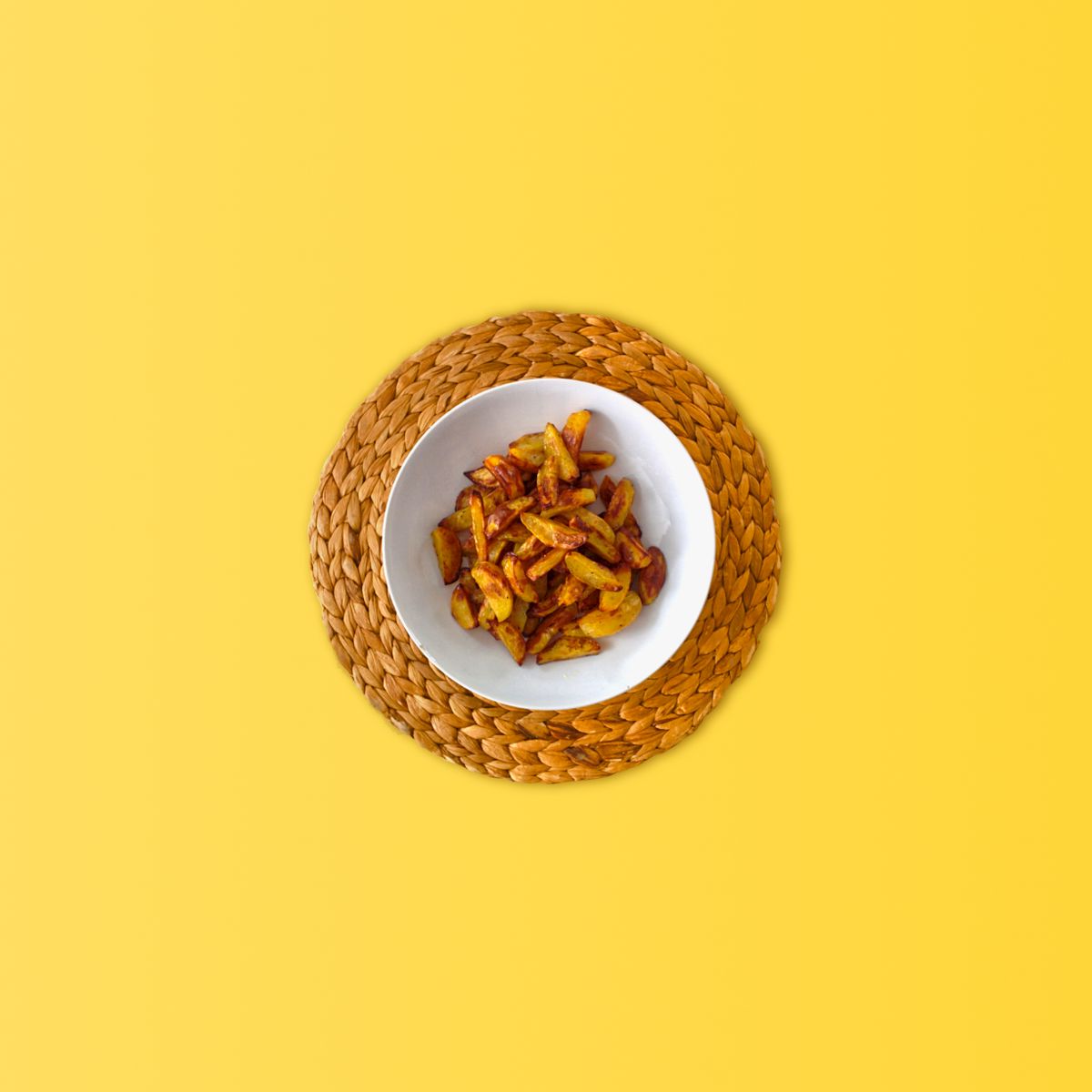
Reader-supported. EggBoo may earn a commission when you buy through links on our site. It never costs you more, and it never decides our picks.
The box promised fries that crunch. What came out of the basket was limp, pale and a little sad. Before you blame the machine, know this: a working air fryer that makes soggy food is almost always being asked to do something it physically cannot do, like brown food that is wet, packed tight, or sitting under a sheet of something that blocks the air.
An air fryer is a small, very fast convection oven. A fan pushes hot air over the food, the surface dries out, and once it is dry it browns. Anything that keeps the surface wet or keeps air off it stops the crisping. Every fix below comes back to that one idea.
We pulled this together from test kitchen guidance (America's Test Kitchen and Ninja's own test kitchen chef), recipe developers who cook in these machines daily, and the owner complaints that come up again and again. If you are brand new to air frying, our list of common air fryer mistakes beginners make is the wider primer. This page goes deeper on the one problem everyone has: crunch.
Quick diagnosis
| What you are seeing | Most likely cause | The fix |
|---|---|---|
| Pale and soft all over, steamy smell | Basket overcrowded | One layer with gaps, cook in batches |
| Soft only where pieces touched | Not shaken or flipped | Shake or flip at the halfway point |
| Chewy, dry, never golden | No oil at all | A light coat of oil on the food |
| Greasy and soft | Too much oil | Toss with a teaspoon or two, not a pour |
| Soggy vegetables or wings | Wet surface going in | Pat dry with paper towels first |
| Bottom side soft, top side fine | Liner or foil blocking airflow | Use perforated, low-sided liners or none |
| Batter dripping onto the grate | Wet batter | Switch to a dry flour, egg and crumb coat |
| Crisp in the basket, soft on the plate | Steam trapped after cooking | Serve straight away or rest on a rack |
1. The basket is too full
This is the big one. Rachel Buck, a senior demo chef at the Ninja Test Kitchen, told Chowhound that food "stacked too high" traps moisture and cooks unevenly. America's Test Kitchen says the same thing in its air frying tips: overfilling the basket leads to poor browning. The fan needs room to move air around every piece. Pile fries three deep and the ones in the middle steam in the moisture coming off the ones around them.
The fix: Spread food in a single layer with a little space between pieces, and cook in batches when it does not fit. Two quick batches beat one crowded one. If you batch every single night, a stackable air fryer rack adds a second layer with air moving between them, and sets like the BYKITCHEN three-tier 8 inch square typically run under $15 (as of September 2026). Racks suit wings, chicken pieces and vegetable chunks. Loose fries fall straight through, so they are no help there. Check price on Amazon.
If you are always batching, the honest answer may be that the machine is too small for your household. Our guide to choosing an air fryer covers which basket sizes actually feed how many people.
2. The food is wet when it goes in
Water has to boil off before a surface can brown. Rinsed vegetables, marinated chicken and soaked potatoes all carry a film of water into the basket, and the first several minutes go to steaming it off. America's Test Kitchen says the crispest, most browned results come from patting food dry with paper towels or a clean dish towel, even though an air fryer is already a dry heat.
The fix: Pat everything dry before oil and seasoning go on. Drain marinades well and blot the pieces. For fries, this is the step most people skip after soaking, and it undoes the soak.
3. No oil, or far too much
Air fryers sell on "little or no oil," and that line gets taken too literally. Buck's advice is that fries, breaded chicken and vegetables need a light coating of oil to crisp, and that skipping it gives dry, chewy results instead of crunchy ones. ATK also recommends tossing or brushing food with a little oil or butter to help it brown.
Too much oil fails the other way. It pools, makes food greasy rather than crisp, and drips down to burn in the drawer, which is also one of the main reasons air fryers smoke.
The fix: A teaspoon or two tossed with the food in a bowl is plenty for most batches. A refillable pump mister gives an even, thin coat and spares your basket the gummy film that aerosol cooking sprays leave behind. The Evo sprayer is the one most often recommended and was listed around $18 on Amazon as of September 2026. Check price on Amazon. Pre-fried frozen foods like fries and nuggets already carry oil and usually need none added.
4. You skipped the preheat
Food dropped into a cold basket warms up slowly, so the outside dries and toughens before it ever gets hot enough to brown. Buck says preheating means food starts cooking immediately, which is what promotes crispness. Unlike a wall oven, an air fryer takes only a few minutes to get there.
The fix: When crunch is the goal, run the empty air fryer at your cooking temperature for a few minutes, usually three to five, before loading. Many models have a preheat button. Others just need you to set the temperature and wait. Save it for fries, wings, breaded food and frozen snacks. A reheat of leftover pasta does not need it.
5. Nobody shook or flipped the basket
Air hits the top and sides of the food hardest. The side resting on the crisper plate, and any side pressed against a neighbor, gets less of it. ATK says most foods need one flip or stir at the halfway point so every side gets exposed to the hot air.
The fix: Shake small foods like fries, tots and diced vegetables at the halfway mark, or two or three times for a long cook. Flip larger pieces like chicken thighs and fish fillets with tongs. Silicone-tipped tongs are worth the few dollars, since metal scratches nonstick baskets over time.
6. A liner or foil is blocking the air
Liners save scrubbing, but they cost you crunch. In America's Test Kitchen's liner testing (which we covered in our silicone vs parchment liner comparison), food on thick silicone liners took about 3 to 4 minutes longer on average to reach its target temperature, and liners with high sides blocked the circulating air. Thin parchment let heat through much better. A full sheet of foil or solid parchment across the basket floor does the same damage, because air cannot come up from below.
The fix: For anything you want truly crisp, cook on the bare basket. If you need a liner for sticky or saucy food, use perforated parchment liners so air still passes through, add them after preheating, and weigh them down with food so they cannot blow into the heating element. Our explainer on parchment paper in the air fryer covers the safety side. Check price on Amazon.
7. The temperature or time is off
ATK found that manufacturer cooking charts often undercooked food, soggy French fries included, while straight oven-recipe times often overcooked it. The best settings fell somewhere between. Machines also step their temperatures differently: ATK noted increments of 10, 25 or even 30 degrees depending on the model, so "the same recipe" can land at different heat on two fryers.
The fix: Treat the chart on the box as a starting point. Thin and frozen foods usually crisp best hot, around 380 to 400F. Dense vegetables like a little less, and thick proteins do better lower and longer so the outside does not burn before the middle is done. If a batch comes out soft, add a few minutes at the end rather than restarting hotter. Converting an oven recipe? Our oven to air fryer conversion rule gets you close on the first try.
Food-by-food fixes
The seven causes cover most failures. A few foods have their own quirks.
Fries from fresh potatoes
Russets make the crispiest fries. Recipe developers note Yukon Golds work but come out softer. Soak the cut fries in water for 15 to 30 minutes to pull off surface starch, then dry them very well. A light toss with about a tablespoon of cornstarch plus a little oil soaks up leftover moisture and helps form a crisp shell. Cook in a single layer and shake two or three times.
Chicken wings
Dry skin is the whole game. Pat the wings thoroughly, then toss them with a little baking powder (baking powder, not baking soda, which tastes soapy at this amount) along with salt. Recipes vary on the amount, and around a teaspoon per pound or so is a common starting point. A common setting is 400F for about 22 minutes with a flip partway through, plus a few extra minutes if you want them crunchier. Check that the thickest wing reads 165F with an instant-read thermometer. Sauce the wings after they come out, not before, or the skin softens.
Breaded and battered food
Wet batter is the one thing an air fryer simply cannot do well. There is no hot oil to set it, so it drips through the basket and cooks onto the grate. Use a dry three-step coating instead: flour, then egg, then breadcrumbs or panko, pressed on firmly. Mist the coating with oil before cooking, and if you spot dry, floury patches halfway through, mist those spots again. Frozen pre-battered foods are fine, since freezing has already set the coating.
Frozen fries, nuggets and snacks
Cook them straight from frozen. Thawing first just adds water. Shake off any ice crystals, skip the extra oil for pre-fried products, preheat, and spread them out. Frozen food is where crowding hurts most, because every piece is shedding moisture at once. Our roundup of the best air fryers for frozen food covers which baskets give fries the most floor space.
Vegetables
Cut pieces to the same size so they finish together, dry them well after washing, and toss with oil and salt. Watery vegetables like zucchini and mushrooms release a lot of liquid, so they need more room and benefit from a hotter cook.
Crisp in the basket, soggy on the plate
Hot food keeps releasing steam after it comes out. Tip it onto a flat plate or into a covered container and that steam condenses underneath and softens the crust, the same reason fried chicken cooks rest it on a wire rack. Serve air-fried food right away, or let it sit on a rack for a minute so steam escapes from all sides. When reheating leftovers, a few minutes in the air fryer brings back crunch that a microwave never will.
When it might actually be the machine
If you have fixed every habit above and food is still pale, look at the machine. A crisper plate or fan area caked in old grease moves air less freely, so a proper deep clean is worth doing first (our air fryer cleaning guide walks through it). Make sure the vents at the back or top are not jammed against a wall, since a fryer that cannot exhaust its steam struggles to crisp. And if the fan sounds weak or the unit no longer seems to reach temperature, an oven thermometer placed in the empty basket during a preheat is a cheap way to check whether it heats the way it should before you decide it is time for a new one. If it is, our air fryer finder will narrow the field to machines that suit how you cook.
What is worth buying (and what is not)
You can fix almost every soggy batch with paper towels and a bit of patience. If you want to spend a little:
- A refillable oil mister gives an even, light coat and saves your basket from aerosol residue.
- A stackable rack is the cheap fix for chronic overcrowding, if your basket is big enough to take one. Measure the basket floor first.
- An instant-read thermometer lets you cook wings and thighs longer for crisp skin without guessing at doneness.
Skip thick silicone pots and high-sided liners if crunch is the priority. They protect the basket and slow the crisping. For the full list of extras worth owning, see our guide to air fryer accessories actually worth buying.
FAQ
Why are my air fryer fries soggy?
Usually a mix of three things: too many fries in the basket, fries that went in wet after soaking, and no oil at all. Cook them in a single layer, dry them thoroughly, toss with a little oil (and a spoonful of cornstarch for fresh-cut fries), preheat, and shake two or three times. Frozen fries need no thawing and usually no extra oil.
Should I preheat my air fryer for crispy food?
Yes, when crispness is the goal. A three to five minute preheat at your cooking temperature means food starts browning right away instead of slowly drying out. For reheating or gentle cooking it matters much less.
Do I need oil in an air fryer to get food crispy?
A little, for most fresh food. Fries, vegetables and breaded chicken crisp far better with a light coat, and a teaspoon or two per batch is usually enough. Pre-fried frozen foods already contain oil. More oil does not mean more crunch. Past a light coat it just means greasier food and more smoke.
Can you use wet batter in an air fryer?
Not well. Without hot oil to set it, wet batter drips off and sticks to the grate. Use a dry flour, egg and breadcrumb coating, mist it with oil, and touch up any floury spots halfway through. Frozen battered foods work because the batter was set before freezing.
Do air fryer liners make food less crispy?
They can. ATK's testing found thick silicone liners slowed cooking by a few minutes and high-sided liners blocked airflow. Thin perforated parchment does the least harm. For the crispiest results, cook on the bare basket and save liners for sticky or saucy food.
Why does my food get crispy on top but soft on the bottom?
The underside sits on the crisper plate and gets less airflow, especially if a liner or foil covers the holes. Flip or shake halfway through, remove anything blocking the plate, and give pieces room so air reaches the sides too.
How do I make leftovers crispy again?
Put them back in the air fryer in a single layer at a moderate heat for a few minutes, shaking once. It drives off the moisture that softened the crust in the fridge, which a microwave cannot do.
EggBoo Verdict: A soggy batch is nearly always a fixable habit, not a broken machine. Dry the food, give it room, use a little oil, preheat, and shake halfway, and most air fryers will turn out properly crunchy food. If you have done all of that and it still steams instead of crisps, clean the fan area and check the temperature before you shop for a new one.